Kava Bars as the New Third Space
Where Community, Mindfulness, and Connection Meet
At their best, kava bars are not simply places to buy a beverage. They are modern community rooms: calm, conversational, inclusive spaces where people can gather outside of home and work without the pressure, pace, or alcohol-centered expectations of a conventional bar.
There Is a Particular Kind of Place We Are Losing
Some places do not quite fit into the categories of home or work. Sociologists often call it the third space: coffee shops, barbershops, parks, libraries, diners, community centers, and other informal gathering places where people return because they feel welcome. These are the quiet anchors of public life. They are places where you can show up as yourself, strike up a conversation with a stranger, run into a neighbor, or sit quietly in good company.
Ray Oldenburg, the sociologist who helped popularize the idea of the third space, described these places as neutral, accessible, informal settings where conversation is central, and regulars help give the place its character. A third place is a place where people slowly become known to one another.
The U.S. Surgeon General's 2023 advisory on loneliness and isolation argues that social connection depends not only on individual relationships, but also on the social infrastructure of communities: the places, programs, and local institutions that make connection possible.
What Makes a Third Space Work
A true third place is not defined only by its furniture, lighting, music, or menu. It is defined by the kind of social life it makes possible. The best third places are usually neutral, accessible, conversational, informal, and comfortable enough that people can linger. They are rooted in regulars, but still open to newcomers.
That is why these places often matter more than they appear from the outside. Studies of third places have found that access to these spaces is connected to how people perceive community quality of life, and newer work on social places shows how gathering spaces can shape both close relationships and broader community ties.
Kava Bars: A New Kind of Third Place
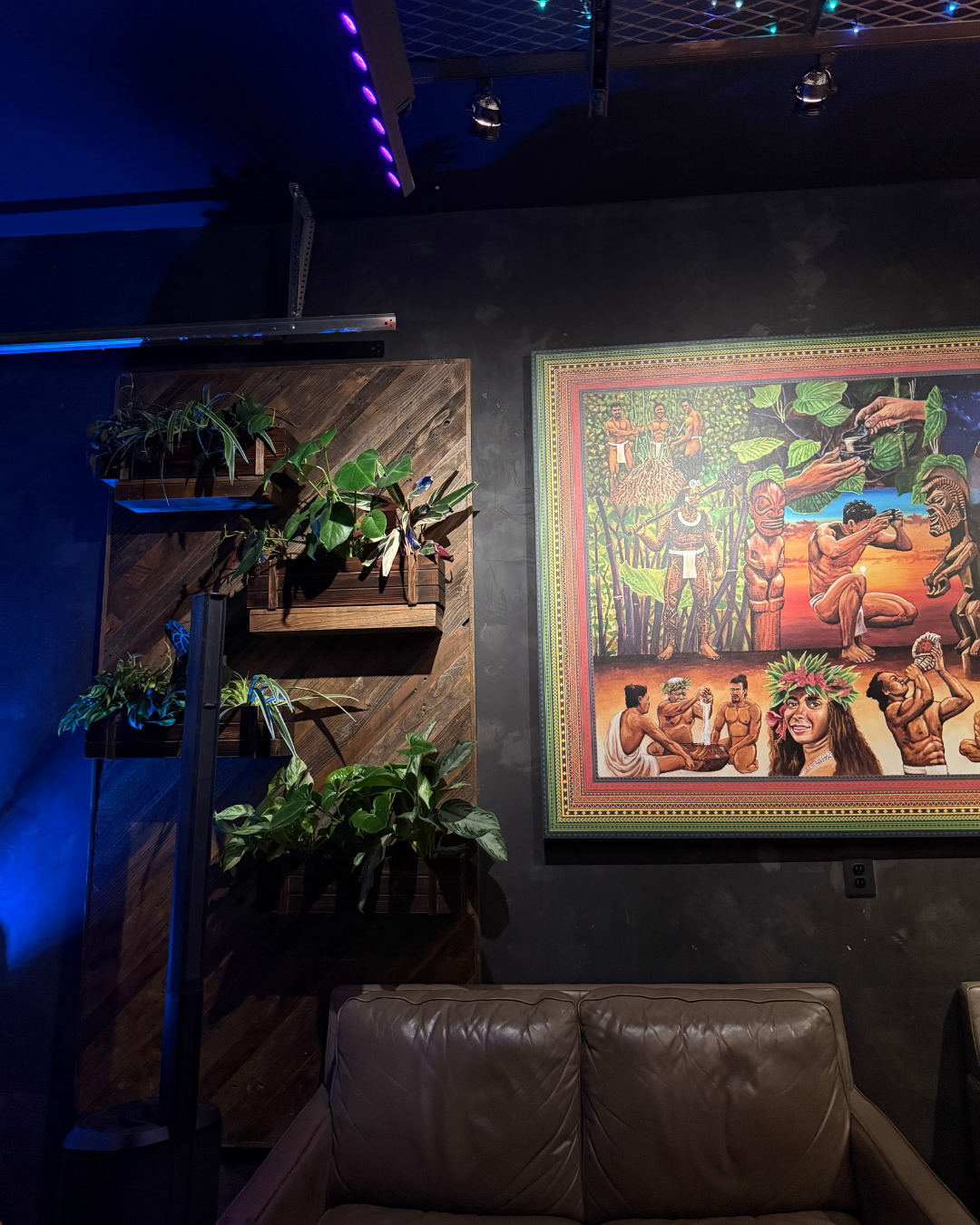
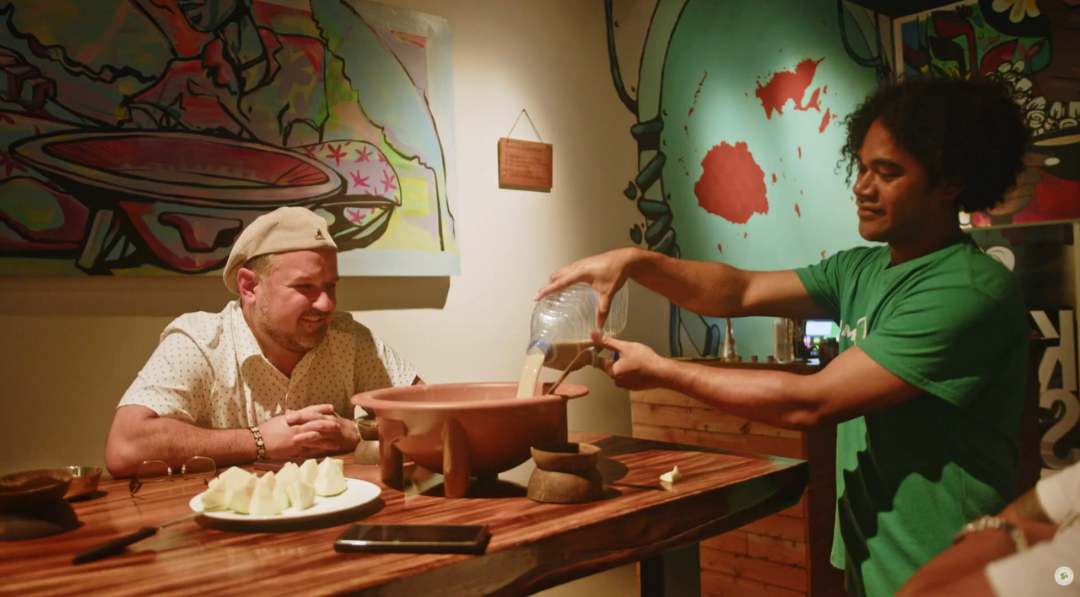
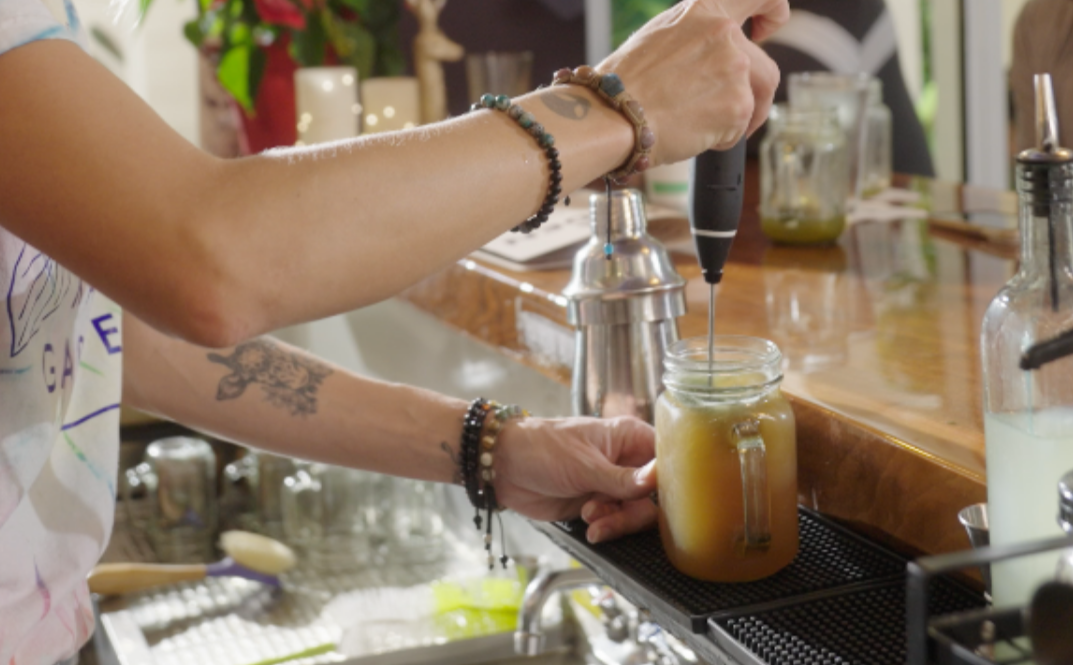
Kava bars are emerging as a new kind of third place. They are places where people can gather, connect, and unwind outside of home and work. They serve kava, a traditional Pacific Island beverage, but their importance goes beyond the drink itself. A good kava bar creates a setting centered on conversation, community, and mindful socializing.
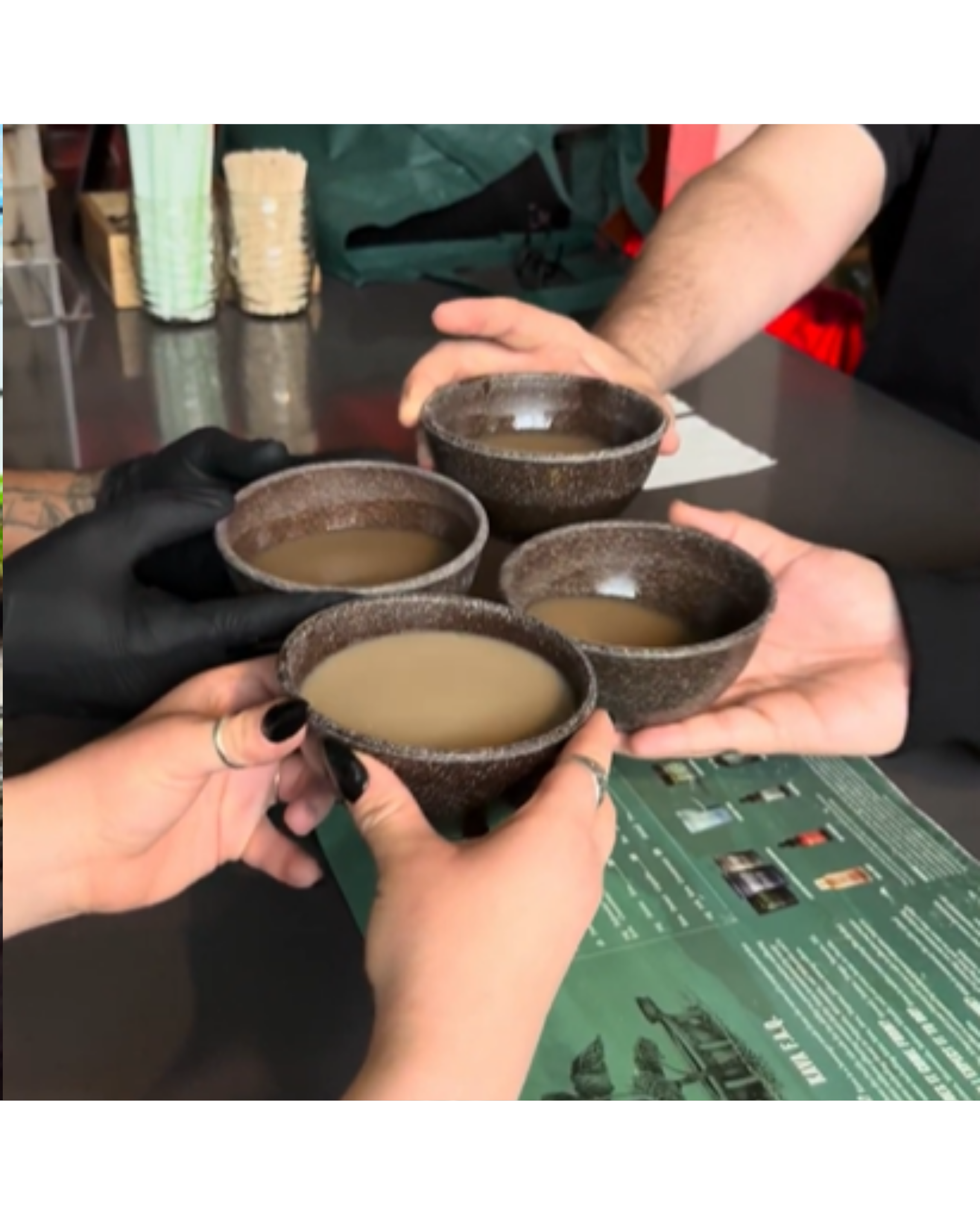
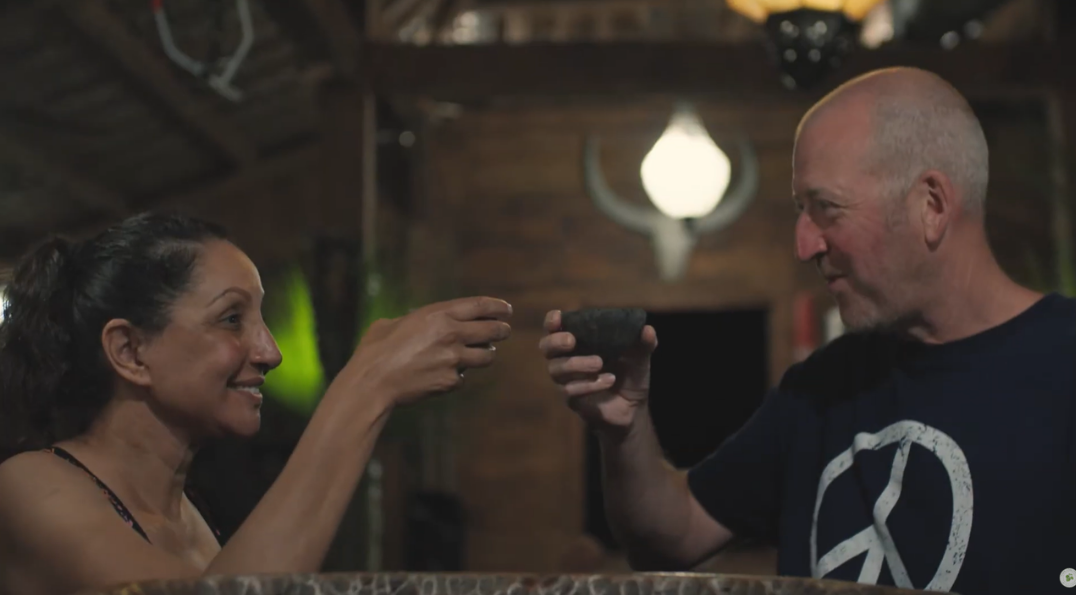
Kava also comes with a deep cultural lineage. Across the Pacific, from Fiji and Vanuatu to Pohnpei and beyond, kava has long been shared in ceremony, hospitality, dialogue, reconciliation, and everyday social life. The bowl matters because it gathers people. It slows the room down. It creates a shared moment.
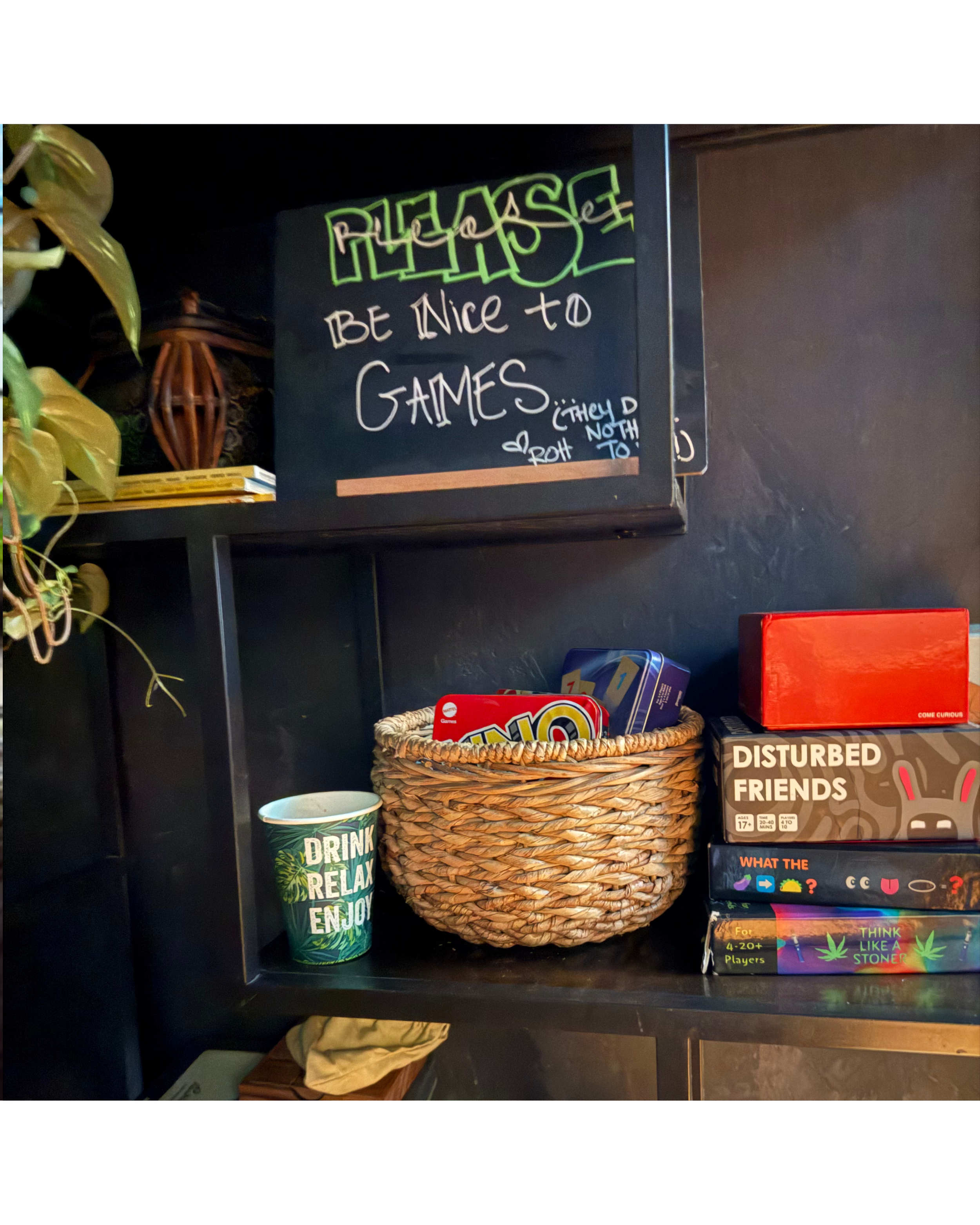
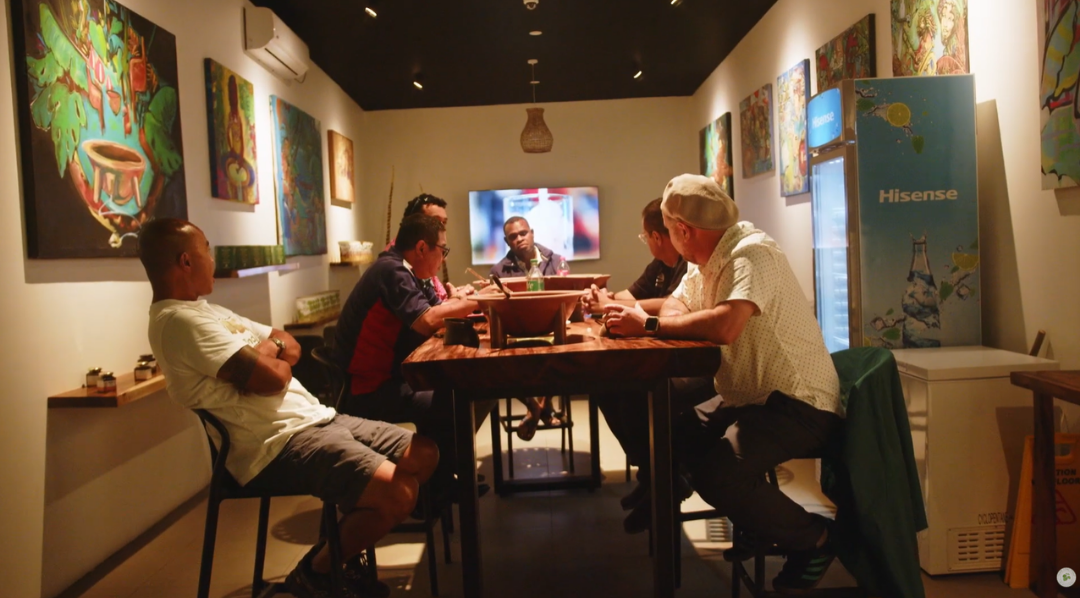
This is one reason kava bars feel different from many other commercial spaces. They can serve as neighborhood living rooms, late-night social spaces, remote-work-friendly gathering places, cultural bridges, and community hubs. People come to meet friends, work on a laptop, talk with the person next to them, attend an event, or simply be among others. The point is not just consumption. The point is belonging.
Redefining Modern Social Spaces
As more people look for meaningful ways to connect, kava bars are helping redefine what a modern social space can look like. They show that a third space can be a calm space to bring people together, be inclusive, rooted in tradition while feeling entirely of the moment.
The strongest case for kava bars is not simply selling kava; they give people a place to return to. A place where regulars remember your name. A place where conversation can unfold without rushing. And a place where someone can walk in alone and still feel part of a room.
Kava bars are not the only answer to loneliness, but they are part of the answer. At their best, they are small, living examples of what communities need more of: welcoming places to slow down, be present, and belong.